
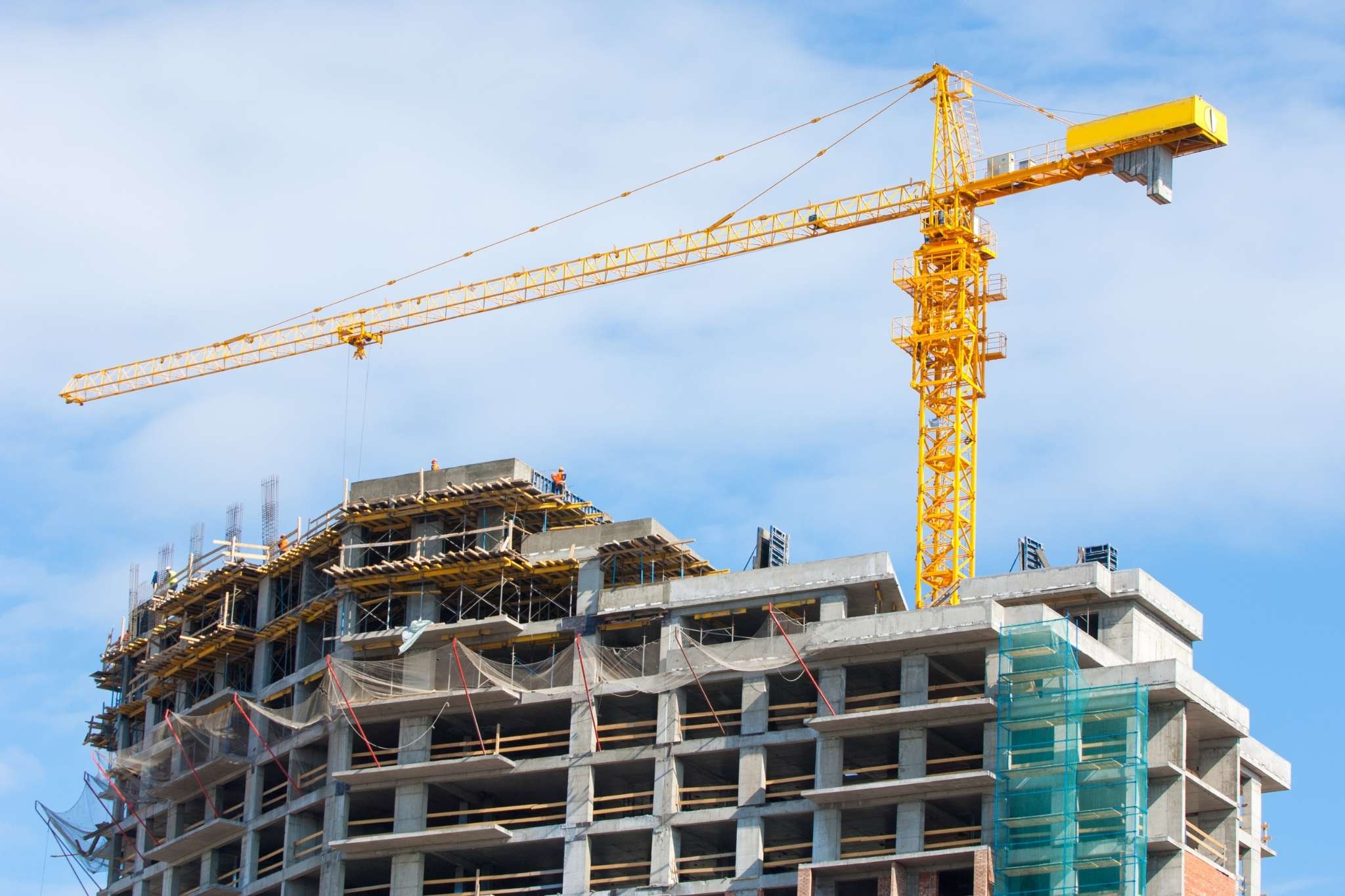







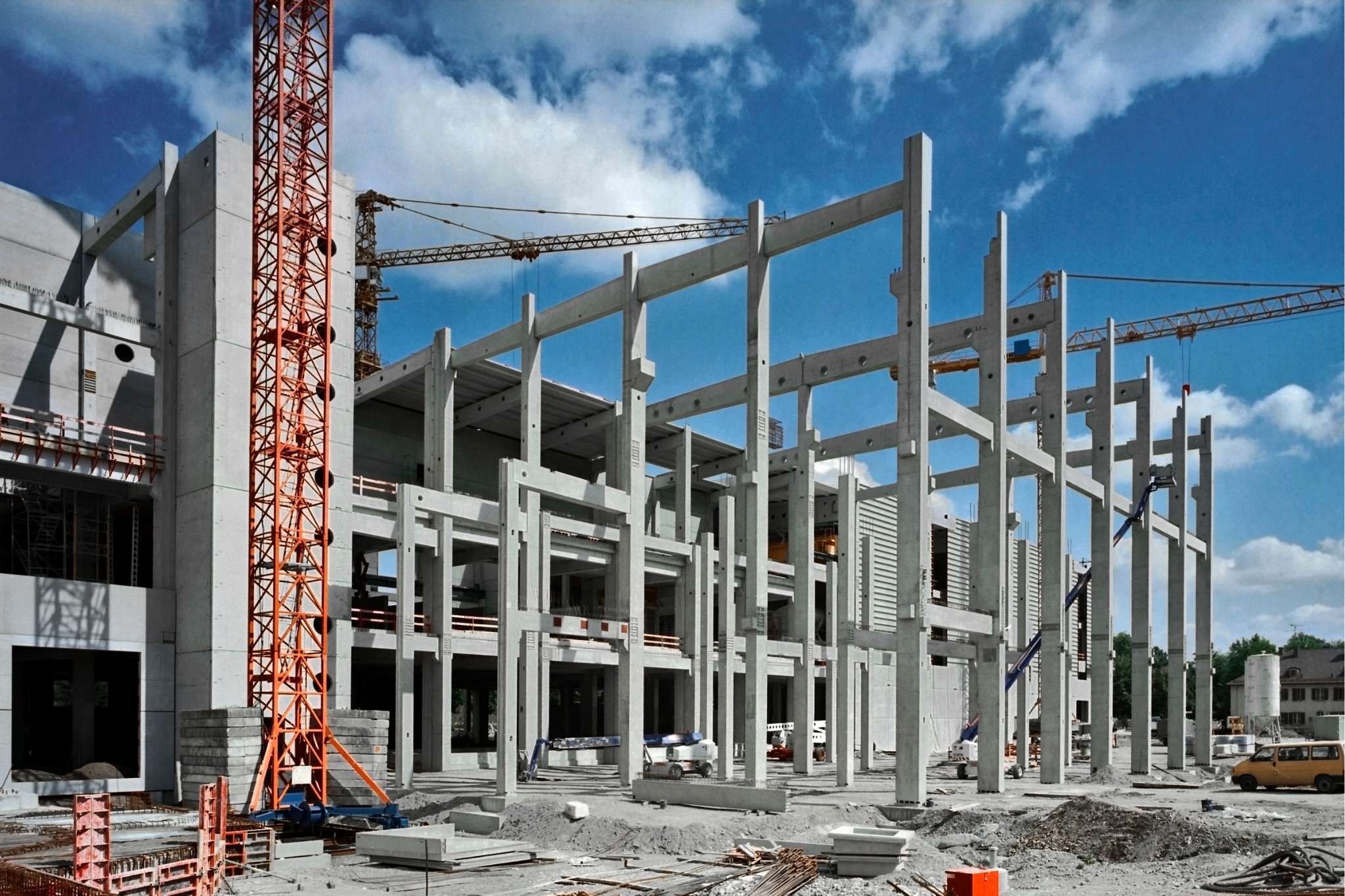


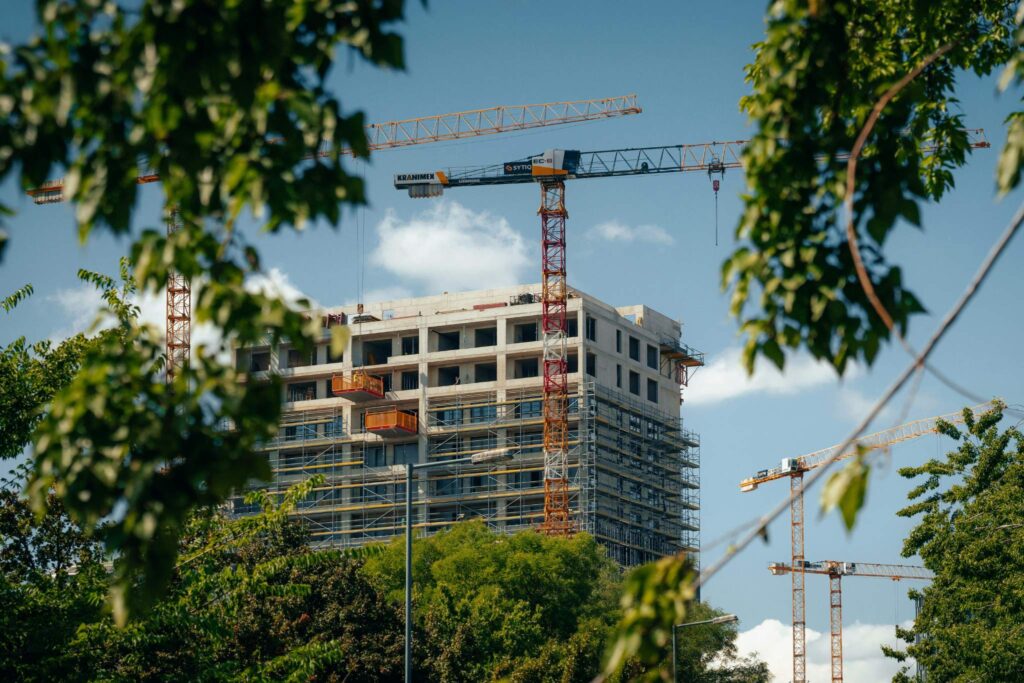
Modern construction projects are becoming increasingly complex. From sustainability requirements to urban density challenges, successful developments demand more than just good design — they require collaboration between multiple professional disciplines.
Integrated design brings together architecture, engineering, planning, and environmental expertise from the very beginning of a project. When these disciplines work together early, projects benefit from smarter decisions, reduced costs, and improved performance.
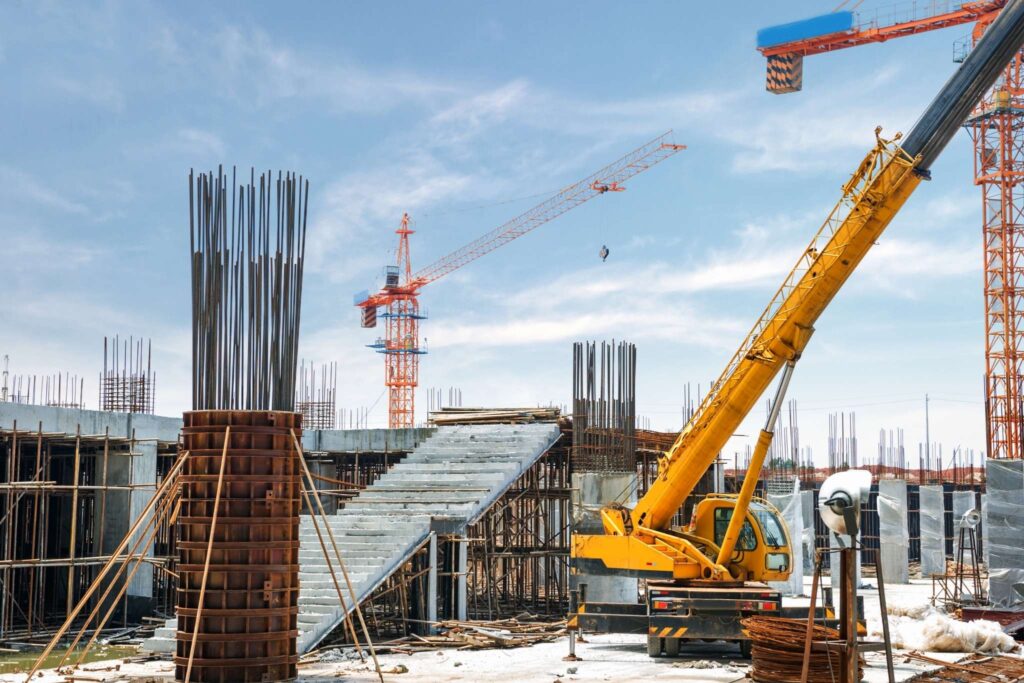
Architects shape the vision and functionality of a building, but structural and civil engineers ensure that the design is safe, durable, and practical to build. Electrical and mechanical engineers design systems that make buildings comfortable and energy efficient, while quantity surveyors ensure that the project stays financially viable.
Town planners and environmental specialists also play a crucial role in modern development. Their work ensures that projects comply with regulations, protect natural ecosystems, and integrate well with surrounding communities.
When these disciplines operate in isolation, projects often encounter delays, redesigns, or unexpected costs. Integrated design minimizes these risks by encouraging communication and collaboration from day one.
The result is a smoother project lifecycle — from concept design to construction and final delivery.
For developers and clients, integrated design means better-performing buildings, faster delivery times, and more predictable project costs.