
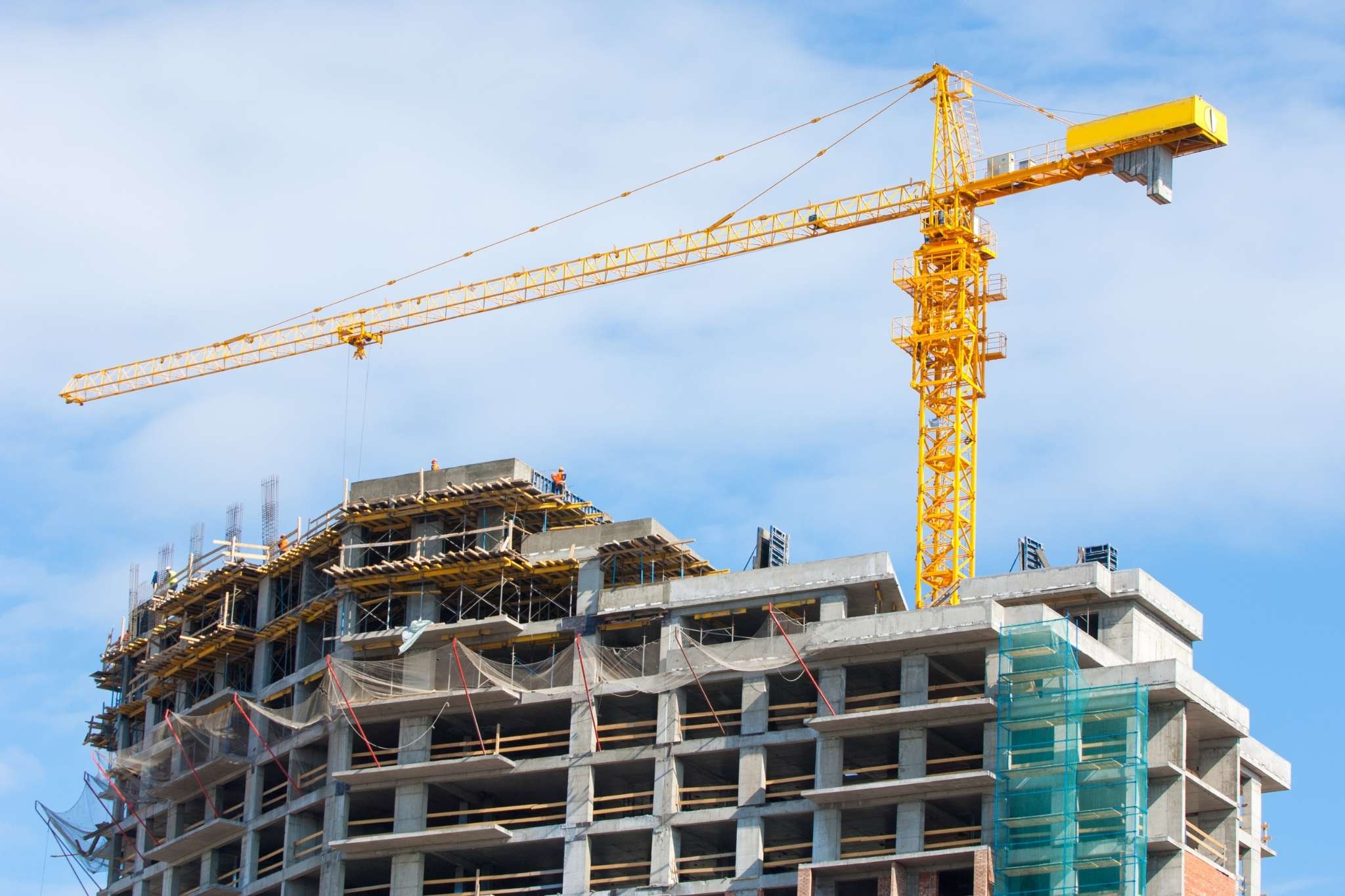










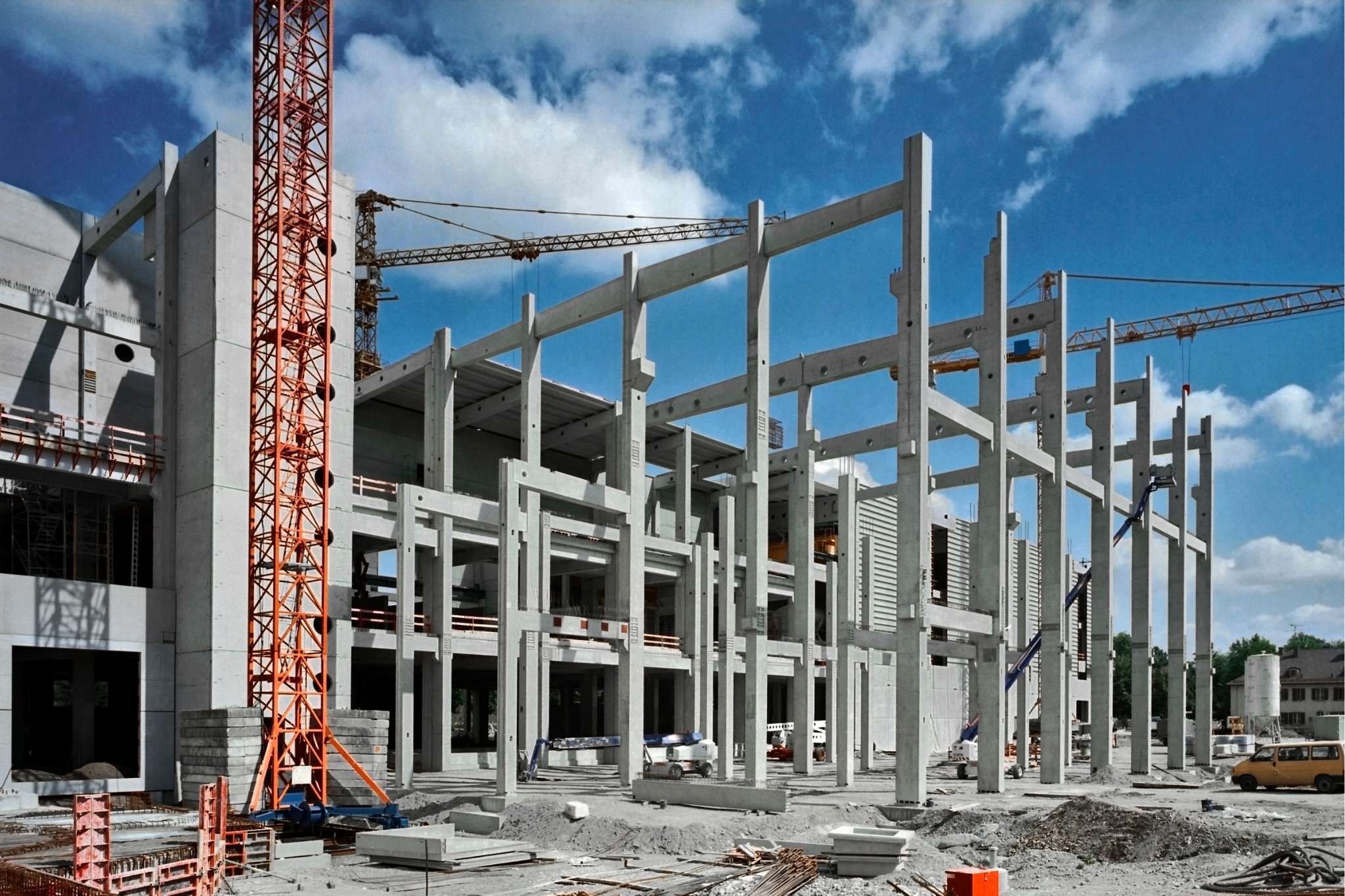


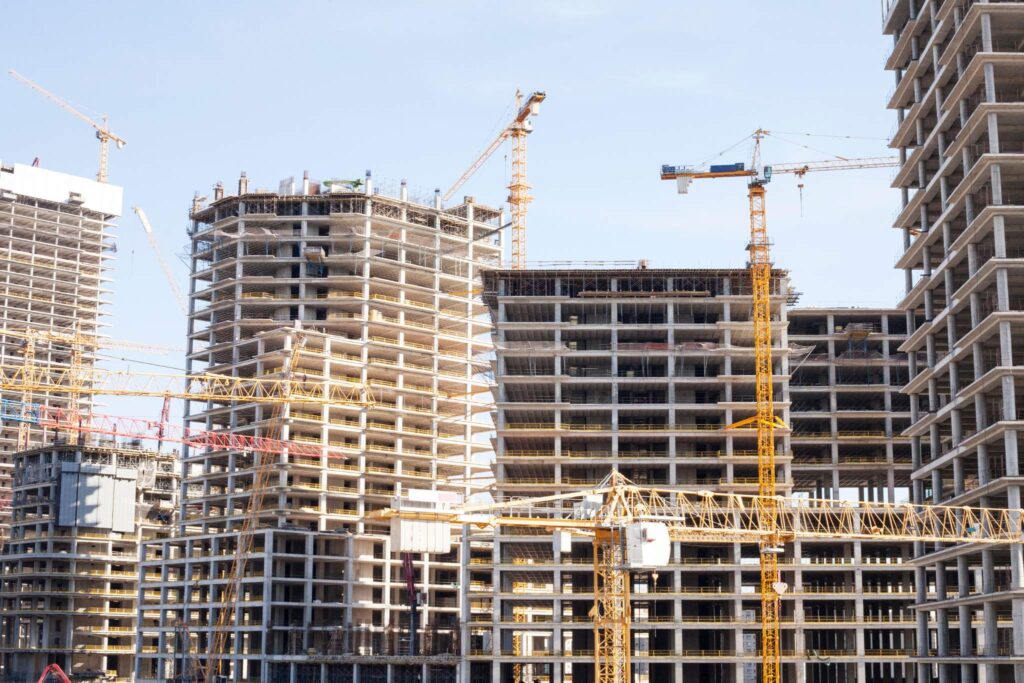
When we admire a building’s design, we often focus on its appearance. Yet the true strength of any structure lies in the expertise of structural engineers working behind the scenes.
Structural engineering ensures that buildings and infrastructure can safely withstand the forces they encounter throughout their lifespan. These forces include gravity, wind, seismic activity, and dynamic loads caused by occupants or equipment.
Structural engineers analyze materials such as steel, concrete, and timber to determine how they behave under different conditions. Using advanced modeling and calculations, they design structural systems that balance safety, efficiency, and cost.
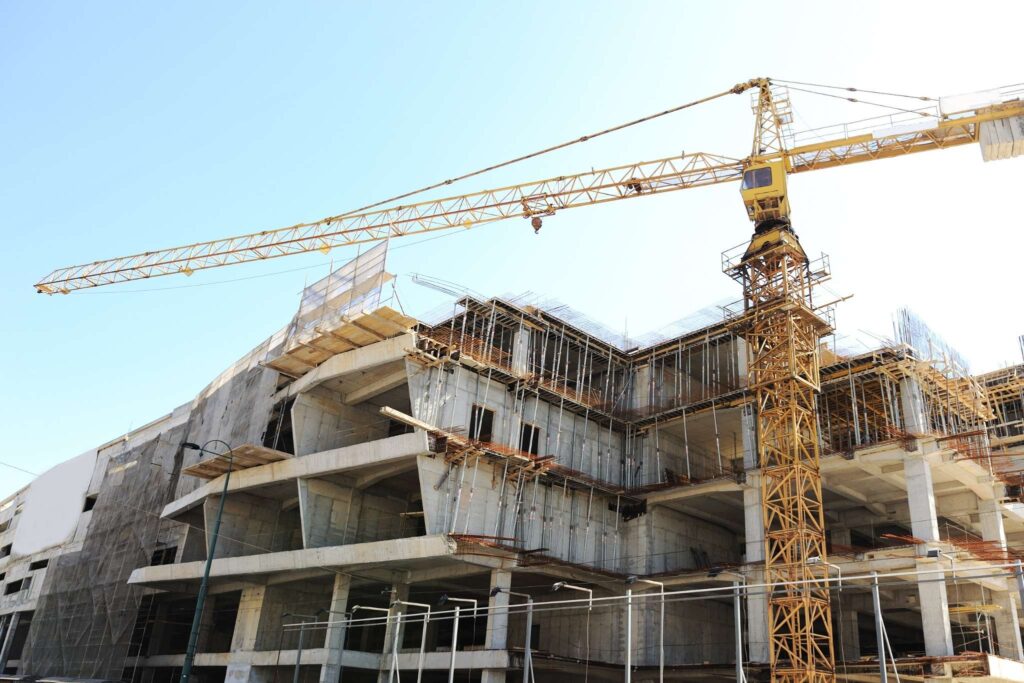
Beyond safety, structural engineering also plays a major role in architectural innovation. Many iconic buildings are made possible through creative structural solutions that allow for large open spaces, dramatic cantilevers, and complex geometries.
Early collaboration between architects and structural engineers often leads to the most efficient and visually striking designs. By aligning aesthetics with structural practicality, projects achieve both beauty and performance.
In today’s construction industry, structural engineers also contribute to sustainability by optimizing material usage and reducing waste. Efficient structural systems require fewer resources while maintaining high levels of strength and durability.
Ultimately, structural engineering ensures that visionary designs become safe, buildable, and lasting realities.